Correct, but software then needs to be explicitly mapped with a brightness range.
Otherwise you can't have on the same screen a game simulating a dark night with low contrast, and a guide for that game which uses the full contrast spectrum.
Your suggestions all break if I want to be able to have at the same time extremely low contrast content and text on the same screen, next to another, and want both to look fine.
> With that scenario, you're dealing with physiological limitations, because if you have a bright region next to a dark night region, your eyes cannot perceive detail in the dark region.
Correct, that's why you meed a software solution that detects this issue and dynamically adapts.
This isn't complicated either, every modern video game has the issue of UI, text, and HDR content in one frame, and has well-working tonemap curves and dynamic exposure adaption algorithms.
Microsoft is also integrating solutions for this into Windows.
Any OS that plans to ever mix HDR and SDR content on one screen needs this anyway, and if you do that, you can also easily add minor changes to allow text content to be annotated so its contrast can also be dynamically adjusted.


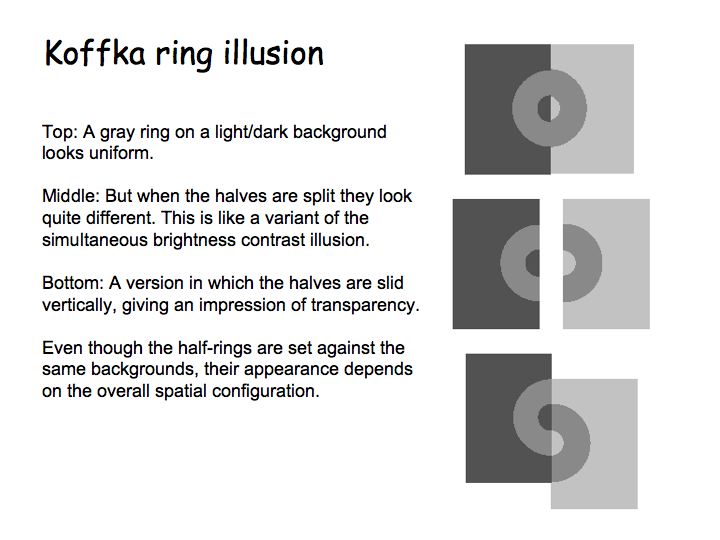
Otherwise you can't have on the same screen a game simulating a dark night with low contrast, and a guide for that game which uses the full contrast spectrum.
Your suggestions all break if I want to be able to have at the same time extremely low contrast content and text on the same screen, next to another, and want both to look fine.